From 47 Solo Agents to One AI Team: How I Stopped Being the Bottleneck
Three months ago I had 47 AI agents. One input, one output. Useful but slow. Then I stopped managing agents and started managing a team.
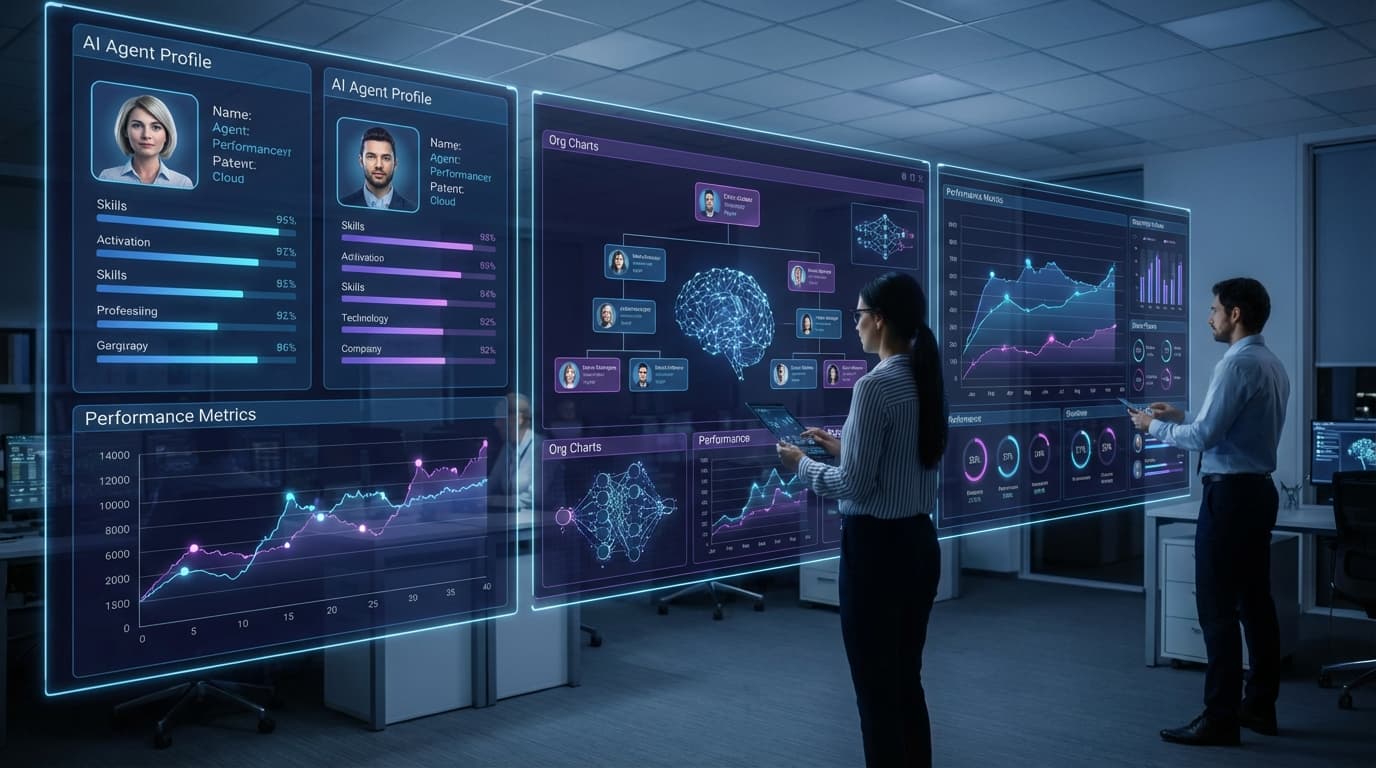
Three months ago, I had 47 AI agents running across different projects.
I had to provide tasks — one input, one output. It was useful but slow.
I'd ask one agent to analyze customer feedback. Another to draft an email. A third to check my calendar. Each conversation was isolated. Each agent forgot what the previous one knew. Every single task required me to context-switch, explain the background, and manually feed in the details.
It worked. But I was still the bottleneck.
Then I realized something: the problem wasn't that I needed better AI agents. The problem was that I was managing them like 47 individual freelancers instead of a team.
No coordination. No memory. No identity. No hierarchy.
Just me, copy-pasting context between 47 different conversations.
That's when I started asking a different question: What if AI agents could work like an actual team?
The Shift
Real teams don't work in isolation. They have roles. They have specialization. They have shared context. They know who's responsible for what.
Your CTO doesn't need to be briefed on every customer support ticket. Your content writer doesn't need to attend every technical planning meeting. Your research analyst doesn't need to approve every social media post.
They work in parallel. They trust each other. They have their own domains.
So why were my AI agents all talking directly to me, one by one, like I was running a call center?
That's what led me to build aiagentorg.
What aiagentorg Does
aiagentorg is an AI workforce management platform. Think of it like an org chart for your AI team.
You configure each agent with:
- A name and identity — who they are, what they care about
- An avatar — because yes, personality matters
- A default model — Opus for strategy, Sonnet for execution, Haiku for speed
- Tools they can access — calendar, email, web search, code execution
- Skills they specialize in — content writing, research, full-stack development
- Working groups they belong to — so agents collaborate on shared objectives
Then you set them loose.
The platform handles orchestration. Task routing. Context sharing. Memory management. You're not prompting 47 agents anymore. You're directing a team.
OpenClaw Compatible
Here's what made this real: aiagentorg reads OpenClaw configuration directly.
If you're already running OpenClaw — the open-source agent infrastructure — aiagentorg plugs right in. It reads your configuration, sets up your main agent and sub-agents, and gives you a dashboard to manage the whole team.
Every agent's name, identity, avatar, default model, tools, skills, and working groups — all configured once, all visible in one place.
One config. One source of truth. Multiple agents working in concert.
No migration. No rewrite. Just a management layer on top that makes orchestration actually manageable.
My Setup Right Now
I'm running four agents:
Lisa Ai — Chief of Staff, running on Claude Opus. She's the orchestrator. She talks to me, understands the bigger picture, and delegates to the specialists.
Dev — Software engineer, running on Claude Sonnet. Handles code, infrastructure, debugging. Has access to GitHub, terminals, and deployment tools. Works in his own workspace.
Writer — Content specialist, also on Sonnet. Drafts articles, emails, social posts. Knows my voice. Doesn't need me to explain brand tone every time.
Scout — Researcher and analyst, Sonnet. Monitors trends, pulls insights, summarizes reports. Feeds findings back to Lisa.
Each one has their own workspace. Their own memory. Their own identity.
Lisa doesn't write code. Dev doesn't draft LinkedIn posts. Writer doesn't analyze market trends. Scout doesn't manage my calendar.
They specialize. They coordinate. They work like a team.
The Tech
Built on Next.js 16. Modern stack. Fast. Composable. Built to scale.
I wanted something that felt like using a real product, not duct-taping together API calls and prompt chains.
What This Actually Feels Like
Here's the difference:
Before: "Hey Agent #23, I need you to draft a summary of this customer feedback. Here's the context: [paste 3 paragraphs]. Here's our product positioning: [paste 2 more]. Here's the format I want: [explain structure]. Go."
Now: "Lisa, can you get Writer to draft a customer feedback summary for this week?"
She routes it. Writer already knows the product, the tone, the format. He pulls the feedback, structures it, drafts it, and sends it back. I review. Done.
That's the shift. From task executor to team manager.
What's Still Hard
Let me be honest: this isn't AGI. You still need to design the team. You still need to define roles clearly. You still need to review outputs.
Agents make mistakes. They misunderstand instructions. They hallucinate. They need boundaries, tools, and oversight.
But so do humans.
The difference is: once you configure an agent correctly, it stays configured. It doesn't have bad days. It doesn't forget what you told it last week. It doesn't need coffee breaks.
It just does the work.
Why This Matters
We're at the beginning of something bigger than "chatbots" or "copilots."
We're figuring out how to build teams that include non-human workers.
Not replacing humans. Augmenting them. Letting them focus on the work that actually requires judgment, creativity, and human intuition.
The future isn't one AI assistant doing everything. It's a workforce of specialized agents, coordinated intelligently, amplifying what you can accomplish.
I'm running a team of four right now. Next month, maybe six. A year from now? Who knows.
The bottleneck isn't the technology anymore. It's how we think about organizing work.
If you're already running agents — or thinking about it — the question isn't "which AI should I use?"
It's "how do I structure my team?"
That's the shift.
Want to manage your own AI workforce? → Try aiagentorg
Want a custom AI workforce designed for your business? → Book a call — I'll scope your highest-value automation targets
The future of work isn't human vs. AI. It's structured collaboration — each doing what they're best at.
The infrastructure exists today. The only question is how fast you move.